

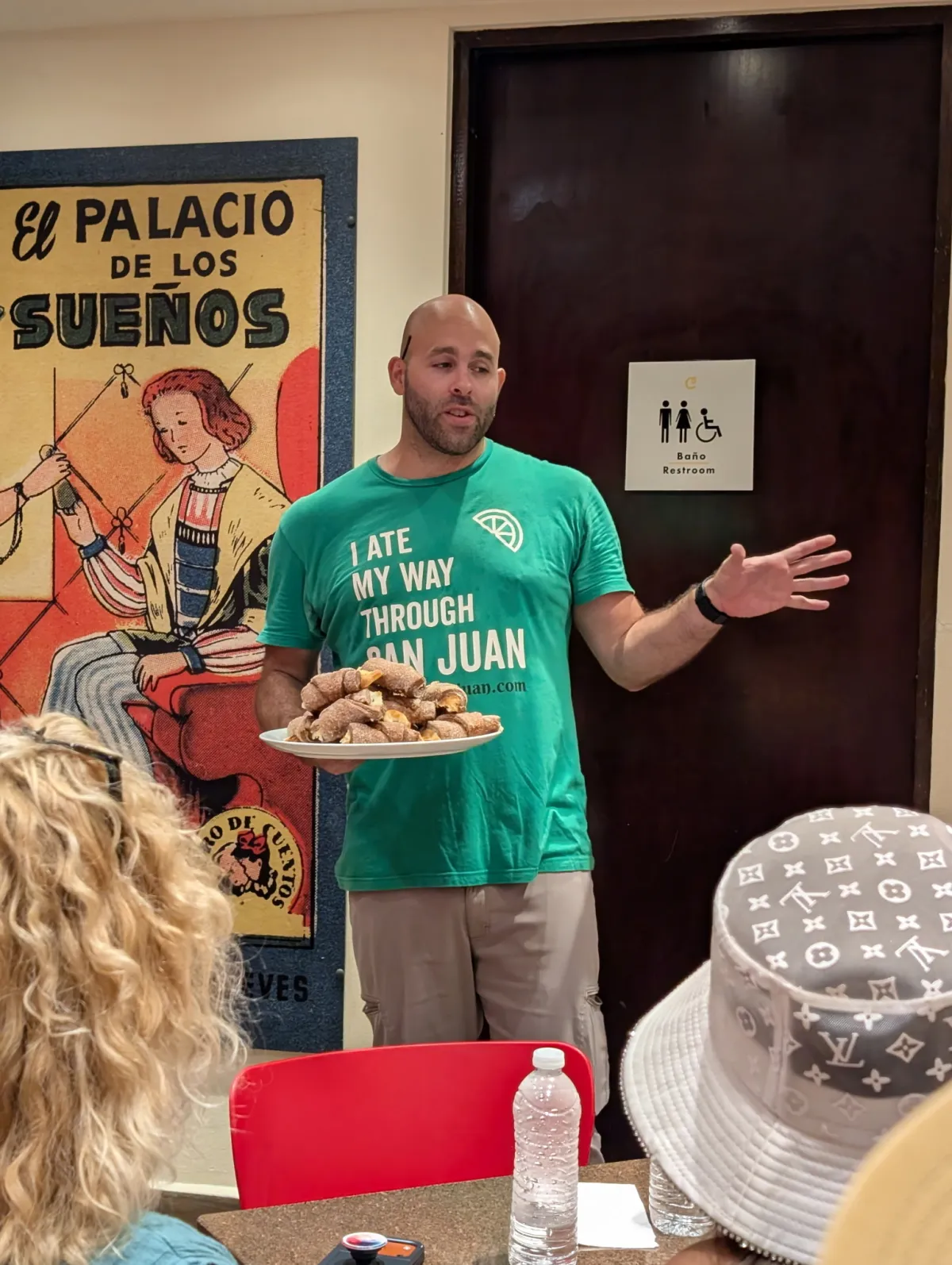
I was in Puerto Rico with Flavors of San Juan Food Tours. Our guide, Danny, stopped the group mid-route and read a letter aloud. It was personal. The kind of letter that triggers a childhood memory you forgot you carried. Danny was visibly emotional, almost in tears, and the entire group was with him in that moment. Every single person felt it.
That is the moment. Not because anyone was asked. Not because a prompt appeared on a screen. Because a human being shared something true and the room responded with generosity. Someone tips 25% without thinking twice, not out of obligation but out of genuine feeling.
The right moment to collect a tip is when that feeling is live. Not before it has happened and not after it has faded. The infrastructure around tipping should serve the moment, not manufacture it and not miss it.
Pre-tipping: the wrong moment
FareHarbor recently released a pre-tipping option at checkout. It is a symptom of a broader industry trend: tip prompts are appearing before anyone has done anything. The reasoning is understandable. If you can capture the tip at the point of purchase, you guarantee something for the guide before the experience begins. The problem is what it does to the guest.
Think of it like tipping for your pizza before it arrives. If the pizza shows up carried like a briefcase, you already paid 25% and there is no graceful way to get it back. Pre-tipping creates anxiety and quiet resentment because the guest is being asked to reward something that has not yet happened. The amount they choose is a guess at best, and guilt-driven at worst.
FareHarbor is a well-built platform, and this feature is a symptom of the industry reaching for tipping moments wherever it can find them. The intention is right. The timing is not.
The post-experience follow-up: too late
Most reservation platforms send a review and tip request 24 to 48 hours after the experience. By then, guests are back at the airport, on to the next city, back at work. The emotional connection has faded. The experience has already been compressed into a memory, and the urgency to act on it is gone.
A tip request in that window feels like an afterthought. Reviews feel the same. According to TripAdmit, 90% or more of travelers read reviews before booking an experience. Reviews matter enormously. But they only matter if captured before the feeling fades. The same is true for tips. A request that arrives while the guest is eating dinner at a completely different restaurant is competing with everything else in their inbox and everything else on their mind.
During the experience: the dopamine window
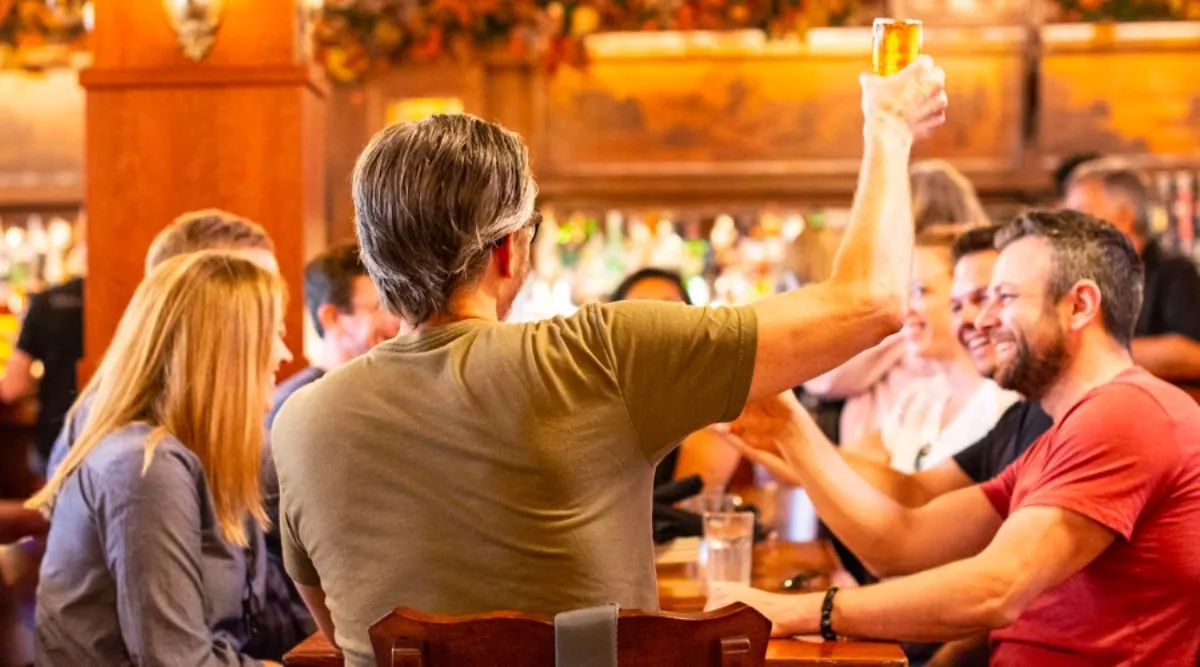
Dopamine peaks during and immediately after emotional high points, not days later. The guest who tips and reviews while still on the experience is acting on genuine feeling that is present and real. That feeling is not nostalgia. It is not obligation. It is the live response to something meaningful that just happened.
Suggested amounts matter here. Guests often want to tip generously but do not know what is appropriate. A clear prompt with suggested amounts removes the friction and lets the feeling translate directly into action. Digital tips average 10% higher than cash, and according to TripAdmit, 65% of people tip more generously with digital methods. The format and the timing work together.
"Even just the tipping part, having that be less awkward where the guides can just say their Venmo link is in the guidebook. Because pulling up your phone and showing someone your Venmo link is just kind of an awkward thing for the guide, even if somebody asked you for it. With a lot of people not carrying cash around these days, I think that is a super important feature."
Alyssa Schoenfeld, Bites of Boston Food Tours
What operators are doing without a tool
Before a platform like Digital Guidebooks, operators build workarounds. One food experience operator runs a shared company Venmo account so guests can tip their guide digitally. The guide mentions it casually at the start of the experience, low-key, no pressure, and the tips come in throughout. The operator distributes the total to each guide afterward.
It works. But the tip still goes to a company account, not directly to the person who earned it. And the ask still has to happen verbally, in the middle of a group, which takes something away from the flow of the experience.
"We have a really fun bakery bus tour, a cookie crawl, and it is a lot of women who forget to bring a tip for the guide."
Karen Anderson, Alberta Food Tours
The intent is there. The follow-through is not, because the infrastructure is not. When guests forget cash and the only digital option is a company Venmo mentioned once at the start, tips fall through the cracks. Not because guests do not care, but because the moment passes and the mechanism was not ready for it.
The email capture bonus
If the operator captures the guest's email during the experience, the 24-hour follow-up email is freed entirely. Instead of asking for a review it already has, it can invite guests to share photos, refer a friend, or book again. Two distinct marketing tracks open up: locals, who can be invited back, upsold on private and corporate group experiences, and built into a long-term relationship; and visitors, who activate referral value and can be pointed toward experiences like this one in their home city.
Fotaflo is a genuine complement here. It is a photo delivery tool that works after the experience, which pairs naturally with a guidebook that captures value during it. The two tools serve different moments and together cover more of the guest journey than either does alone.
Chicago Food Tours increased their email capture rate by 79% after introducing a digital guidebook. That number represents real people who would have walked away with no connection to the operator at all. Every one of those emails is a future invitation, a future referral, a future booking.
Frequently Asked Questions
When is the best time to ask for a tour guide tip?
The best time to ask for a tip is during the experience, while guests are emotionally engaged and the feeling is still live. Tips collected at this moment reflect genuine appreciation rather than obligation.
Do guests tip more before or after an experience?
Guests tip more during and immediately after an experience. Pre-tipping creates anxiety because the guest is rewarding something that has not happened yet. Post-experience tip requests sent 24 to 48 hours later feel like afterthoughts and convert at lower rates.
How do suggested tip amounts affect gratuity rates?
Suggested tip amounts remove friction and guesswork. Guests often want to tip generously but do not know what is appropriate. Clear prompts with suggested amounts let the feeling translate directly into action. Digital tips average 10% higher than cash.
What is the best way to collect tips on a food tour?
The best way is through a digital guidebook that puts the guide's payment links directly in the guest's hands during the experience. Guides do not have to ask out loud, and guests can tip via Venmo, CashApp, or PayPal with a single tap.
See how Digital Guidebooks captures tips, emails, and reviews during the experience.
Plans start at $99 a month, and every one comes with a 60-day money-back guarantee.
View Pricing →